•
1 min read
Short Term Money Parking Guide for Working Professionals
TL;DR
If your money is needed in days, weeks, or a few months, don’t treat it like long-term investments. Choose based on when you need it and how quickly you should access it. Savings accounts are easy but inefficient. Liquid mutual funds and newer structures like Higher-Yield Spending Accounts help your money stay accessible while earning more.
The Problem Most People Ignore
Most working professionals focus on:
Salary
Expenses
Investments
But there’s a gap in between:
Money that is waiting to be used
This includes:
Salary sitting before bills
Rent buffer
Travel fund
Insurance premium money
Emergency reserve
And almost all of it sits in a savings account by default.
That default decision quietly costs you money.
Why This Decision Matters
Let’s keep it simple:
Savings account: ~2.5%
Liquid mutual funds: ~6–7% historically
If ₹1,00,000 sits idle:
Bank: ~₹2,500/year
Better parking: ~₹6,500–₹7,000/year
Same money. Different outcome.
Now multiply that across your entire yearly cash flow.
A Better Way to Think About Money
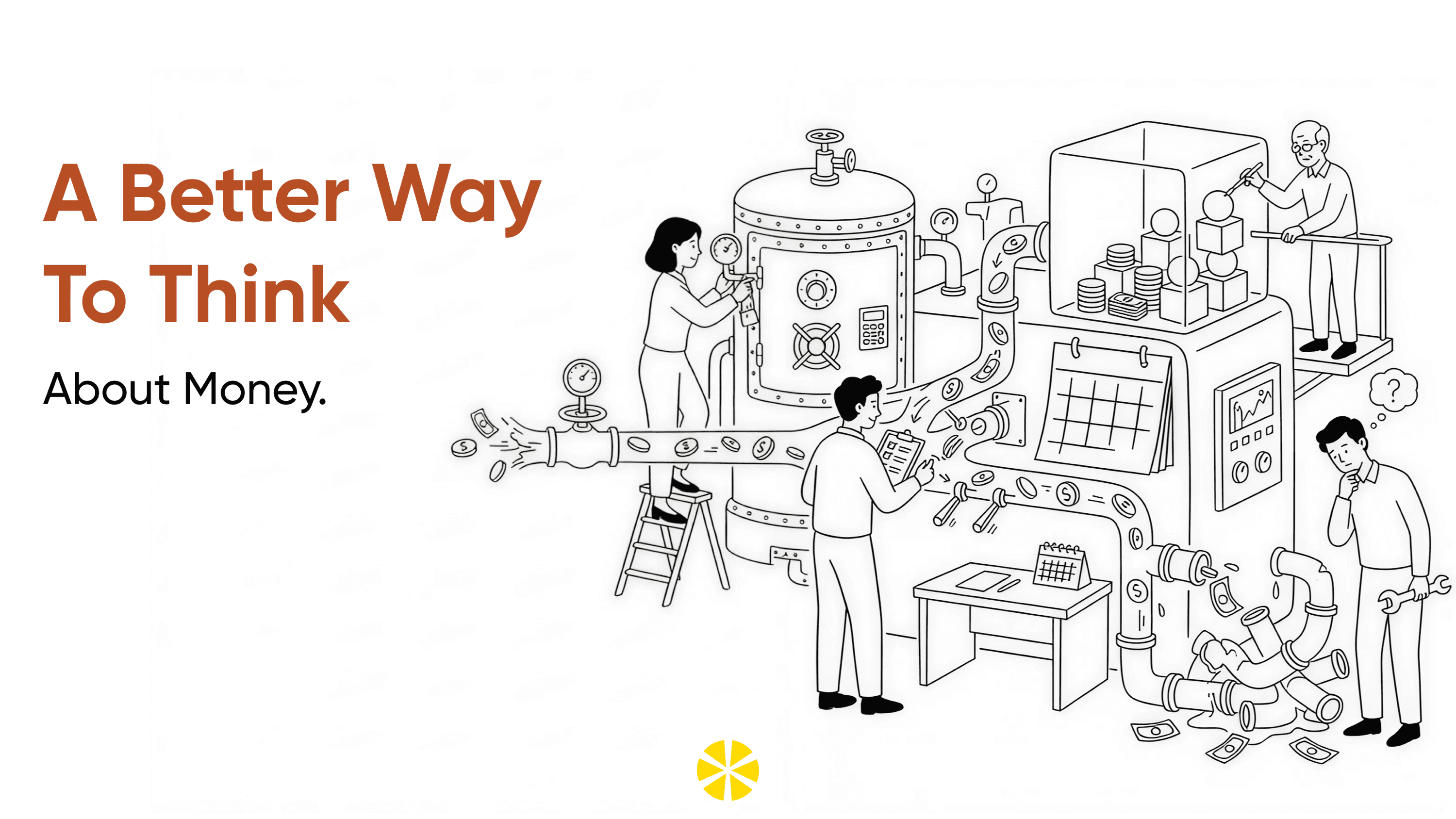
Instead of treating all money the same, break it into 3 buckets:
1. Emergency Money
Purpose: Unexpected events
Need: Safety + quick access
2. Spending Money
Purpose: Planned expenses
Need: Access + better efficiency
3. Investment Money
Purpose: Long-term growth
Need: Returns > liquidity
Most people mix all three in one account.
That’s where inefficiency begins.
Short-Term Money Parking Options (India)
Here’s how the main options actually compare:
Option | Returns | Liquidity | Risk | Best Use Case |
Savings Account | ~2.5% | Instant | Very Low | Daily use |
Liquid Mutual Funds | ~6–7%* | Instant | Low | Short-term parking |
Fixed Deposits | ~5–7% | Low (lock-in) | Low | Fixed timeline money |
Sweep-in Accounts | ~4–6% | Medium | Low | Hybrid usage |
Higher-Yield Spending Account | Linked to liquid funds | Instant/near-instant | Low | Spending money |
*Returns are market-linked, not guaranteed
Now Let’s Make This Practical
This isn’t about products.
It’s about situations.
Scenario 1: Salary Buffer (₹50K–₹1L sitting every month)
Situation:
You keep 1–2 months of expenses in your account.
What most people do:
Leave it in savings.
Better approach:
Keep a small amount for daily transactions
Move the rest to liquid-based parking
Why:
This money is constantly “waiting,” not actively used.
Scenario 2: Rent + Expense Reserve (1–2 months)
Situation:
You maintain a safety buffer for rent and bills.
Requirement:
High accessibility
No volatility shocks
Best fit:
Liquid mutual funds
Higher-yield structures built on them
Scenario 3: Travel Fund (3–6 months away)
Example:
₹1,00,000 for a trip in 4 months
Where you keep it | Outcome |
Savings account (2.5%) | ~₹833 |
Liquid fund (~7%) | ~₹2,333 |
That’s ₹1,500 extra for the same trip.
No extra effort.
Scenario 4: Insurance Premium (Annual payment)
Situation:
You set aside money months in advance.
Common mistake:
Letting it sit idle.
Better approach:
Park it in a liquid option until payment date.
Scenario 5: Emergency Fund (3–6 months expenses)
Requirement:
Safety
Access
Stability
Best fit:
Liquid mutual funds
Not FDs with lock-ins
The Key Decision Framework
Before choosing where to park money, ask:
1. When do I need this money?
< 1 week → Savings
1 week to 12 months → Liquid options
1 year → Investments
2. Do I need instant access?
Yes → Savings / HYSA-type structures
No (T+1 okay) → Liquid funds
3. Is this money meant to be spent?
Yes → Keep it accessible but productive
No → Move to long-term investments
Common Mistakes to Avoid
❌ Keeping everything in savings
Feels safe, but inefficient
❌ Using FDs for flexible money
Lock-ins reduce usability
❌ Ignoring idle cash
This is where most silent loss happens
What’s Changing in 2026
Earlier, your only options were:
Savings account
Fixed deposits
Now, infrastructure has evolved:
Liquid mutual funds handle short-term cash efficiently
Newer systems integrate liquidity + returns
Money can stay productive while accessible
Where Multipl Fits In
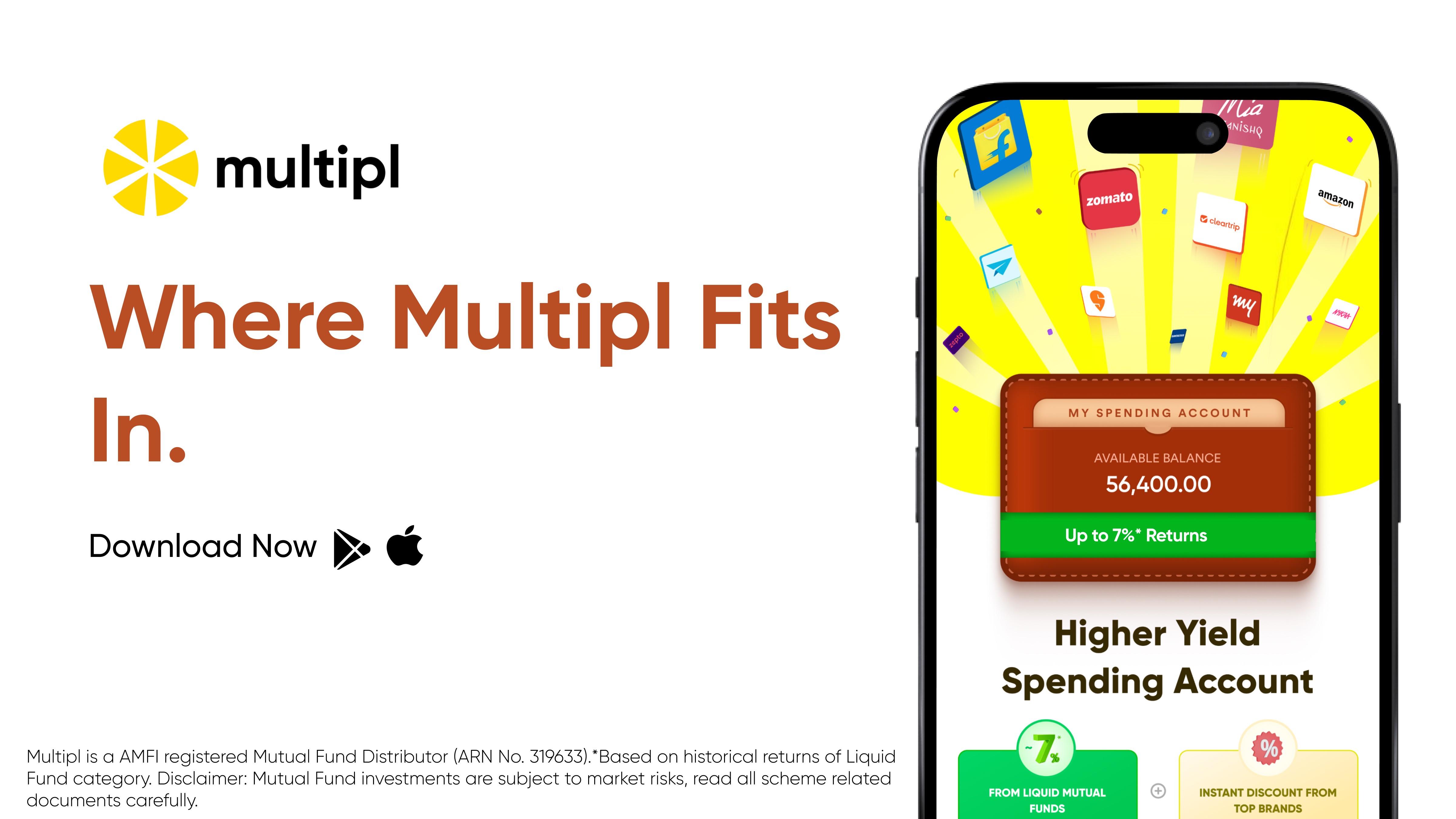
Most tools treat short-term money like an investment decision.
Multipl approaches it differently:
It treats it as spending money that is waiting
Instead of:
Moving money in and out manually
Thinking in terms of “investing”
It helps:
Keep money accessible
Earn better than idle savings
Align with real-life spending cycles
Final Thought
Most financial advice focuses on what to invest in.
But here’s the overlooked truth:
A large part of your money isn’t invested.
It’s just waiting.
And where it waits decides how efficiently it works.
Bottom line: Money that is waiting should not be idle.It should remain accessible and productive at the same time.
Multipl is a AMFI registered Mutual Fund Distributor (ARN No. 319633). *Based on historical returns of Liquid Fund category.
Disclaimer: Mutual Fund investments are subject to market risks, read all scheme related documents carefully.