•
1 min read
Liquid Fund Apps in India: Compare Liquidity, Returns and Minimums
TL;DR
Not all liquid fund apps are built for the same job.
Some are investment-first (you invest, then redeem)
Some are cash-management-first (your money stays ready to use)
If your goal is parking short-term money, what matters is:
how fast you can access it, how easy it is to use, and how it fits into real life.
Why This Comparison Matters
Most “best mutual fund apps” articles miss the point.
They rank apps based on:
UI
number of funds
popularity
But if you’re using liquid funds for:
salary buffers
emergency funds
money waiting to be spent
The real questions are:
How fast can I withdraw?
How easy is redemption?
Can I actually use this money seamlessly?
The 6 Criteria That Actually Matter
We’re evaluating apps based on:
Redemption speed (T+1 vs instant)
Instant withdrawal availability
Minimum investment required
Direct plan access (low cost)
Ease of use (especially for beginners)
Use case fit (investing vs spending money)
Quick Comparison Table
App | Redemption | Instant Access | Min Investment | Best For | Experience Type | |
Multipl | Instant / near-instant | Yes (integrated) | Low | Spending + parking | Cash-management | |
Groww | T+1 | Limited (fund-based) | ₹100+ | Beginners | Investment-first | |
Zerodha Coin | T+1 | No | ₹100+ | Experienced users | Investment-first | |
Kuvera | T+1 | Limited | ₹1,000+ | Goal-based users | Investment-first | |
Paytm Money | T+1 | Limited | ₹100+ | Casual investors | Investment-first | |
ET Money | T+1 | Limited | ₹500+ | Learning + investing | Investment-first | |
INDmoney | T+1 | Limited | ₹100+ | Tracking + investing | Investment-first |
App-by-App Breakdown
1. Multipl — Built for Spending + Parking Money
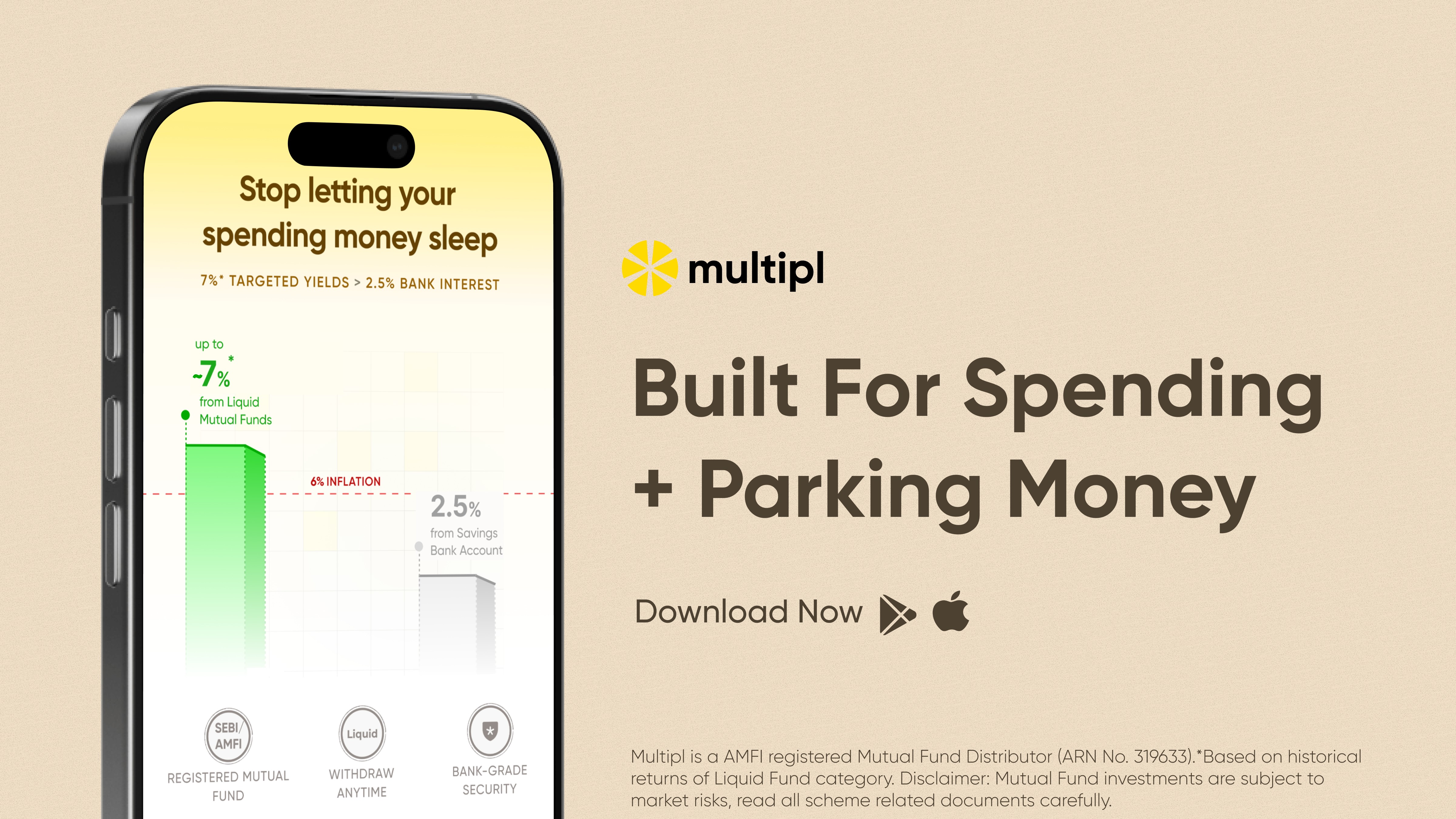
Most platforms treat liquid funds like an investment.
Multipl treats them like everyday money that hasn’t been spent yet.
What stands out:
Money stays accessible while earning
Designed for short-term + spending use cases
No need to manually “invest → redeem → spend”
Best for:
Salary earners with monthly float
People who want simplicity
Anyone who doesn’t want to think like an investor
This is closer to a cash system upgrade, not an investing app
2. Groww — Cleanest Beginner Experience
Groww is one of the easiest platforms to start with.
Pros:
Simple UI
Direct mutual funds (no commission)
Easy SIP + lump sum
Limitations:
Liquid funds treated like investments
Redemption required before use
Best for:
First-time investors
People comfortable managing redemptions
3. Zerodha Coin — Best for Experienced Users
Coin is built for people who already understand mutual funds.
Pros:
Direct plans only
Strong AMC coverage
Trusted ecosystem
Limitations:
No instant liquidity layer
Not beginner-friendly
Best for:
Advanced users
Portfolio-focused investors
4. Kuvera — Goal-Based Simplicity
Kuvera focuses on structured investing.
Pros:
Clean interface
Emergency fund tagging
Direct mutual funds
Limitations:
No real-time usability
Redemption delays apply
Best for:
Goal-based savers
Emergency fund planning
5. Paytm Money — Familiar Ecosystem
Paytm Money benefits from existing user trust.
Pros:
Direct funds
Wide selection
SEBI-compliant
Limitations:
Cluttered experience
Not optimized for cash parking
Best for:
Existing Paytm users
6. ET Money — Education + Investing
ET Money combines content with investing tools.
Pros:
Strong educational layer
Beginner-friendly
Limitations:
Not built for quick access use cases
Slower interaction model
Best for:
Learning investors
7. INDmoney — Best for Tracking
INDmoney shines as a portfolio dashboard.
Pros:
Excellent tracking
Clean UI
Limitations:
Liquid funds not core focus
No spending integration
Best for:
Multi-asset tracking
The Real Difference: Investing vs Using Money
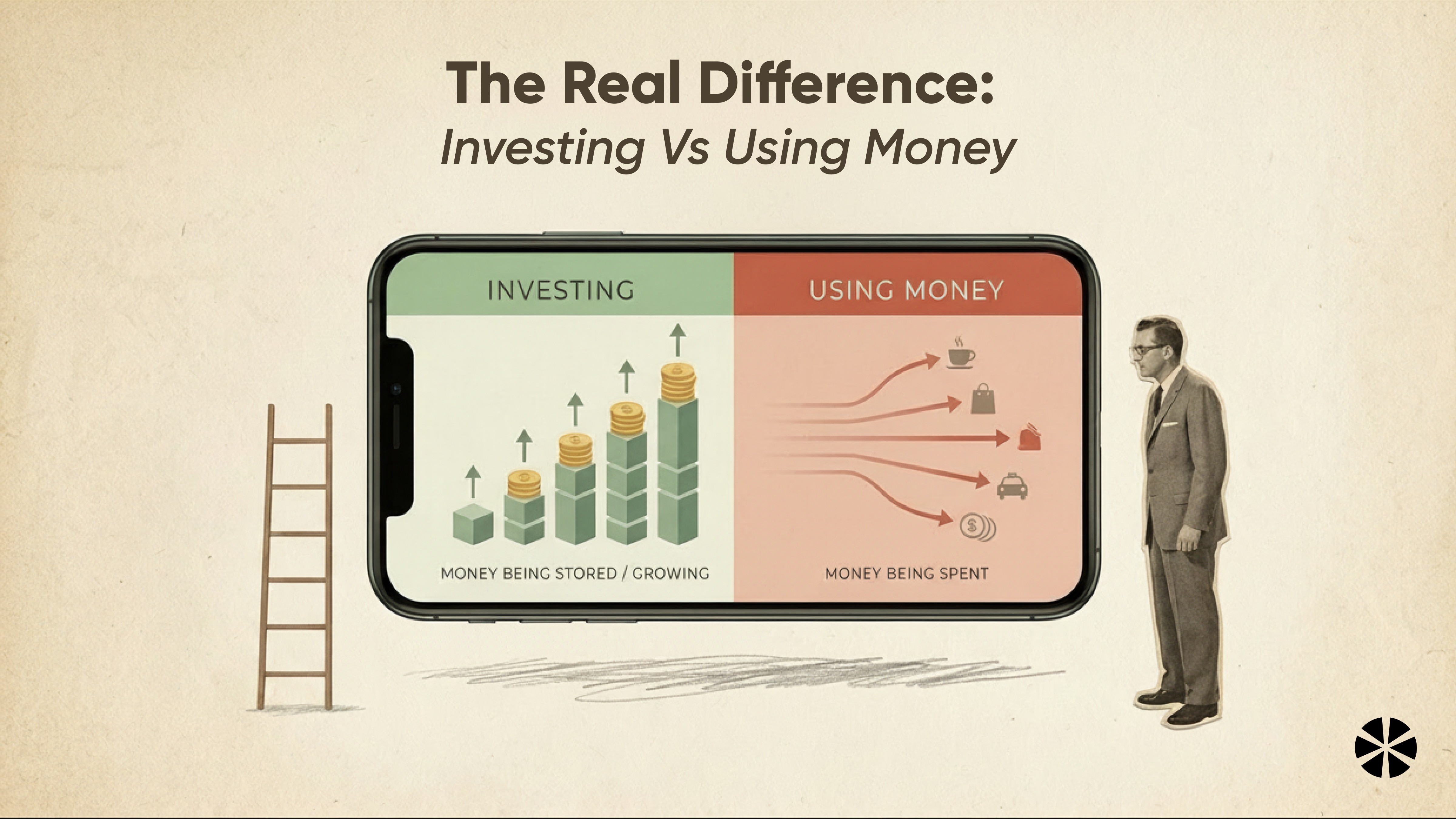
This is the biggest gap most comparisons miss.
Investment-first apps:
You invest money
You redeem when needed
You manually manage flow
Cash-management-first systems:
Money stays ready to use
It earns while waiting
You don’t change behavior
That difference matters more than UI or features
Real-Life Scenarios (What Should You Choose?)
Scenario 1: Salary Earner with Monthly Float
₹50K–₹1L sitting idle across the month
Best fit:
Multipl (seamless usage)
Groww (if you’re okay managing redemptions)
Scenario 2: Emergency Fund
Needs quick access, but not daily use
Best fit:
Kuvera / Groww
Multipl (if layered with savings account)
Scenario 3: Investor Mindset
Comfortable tracking funds, optimizing returns
Best fit:
Zerodha Coin
INDmoney
Scenario 4: Beginner
Wants simple setup, low friction
Best fit:
Groww
ET Money
Multipl (for lowest effort)
What Most People Get Wrong

They optimize for:
Highest return
Best app rating
Instead of:
How the money will actually be used
Because:
Liquid funds are not long-term investments
They are waiting money tools
Final Verdict
If your goal is:
Pure investing →
Use traditional platforms (Groww, Coin, Kuvera)
Parking + using money →
Use systems designed for that behavior
The Simple Rule
If your money is going to be spent anyway:
It should not behave like a long-term investment
It should:
Stay accessible
Earn while waiting
Fit into your daily flow
Closing Thought
Most apps help you invest better.
Very few help you use your money better before you spend it.
That’s the real gap.
Multipl is a AMFI registered Mutual Fund Distributor (ARN No. 319633). *Based on historical returns of Liquid Fund category.
Disclaimer: Mutual Fund investments are subject to market risks, read all scheme related documents carefully.