•
1 min read
How to Save Money on Groceries: 15 Effective Strategies
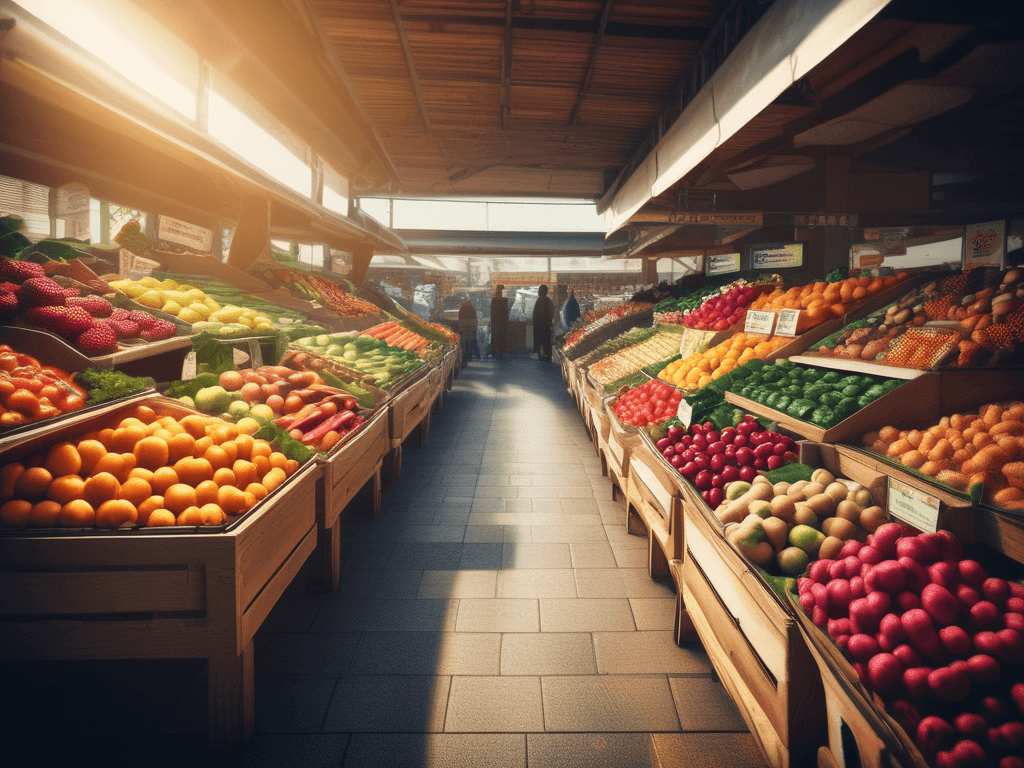
Groceries are an unavoidable expense; everyone needs to eat, live, and, hence, buy groceries. However, with rising inflation and the desire to eat healthy, which often includes exotic vegetables, grocery bills can quickly escalate. This is a concern for many Indian households, especially as the cost of living continues to rise. Let’s explore what all gets included in groceries and how to manage these expenses better.
What Constitutes Groceries?
Groceries encompass a wide range of essentials for daily living. These include fresh produce like fruits and vegetables, staples such as rice, wheat, and pulses, dairy products, meat and poultry, packaged foods, beverages, and household items like cleaning supplies and personal care products. Given the extensive list, it’s no wonder that grocery bills can be substantial.
The Convenience of Online Retailers
In recent years, the proliferation of online grocery retailers has made life easier for the average working professional. Platforms like Big Basket, Grofers, and Amazon Pantry offer a wide variety of products at competitive prices, often with the added convenience of home delivery. These services save time and often provide deals and discounts that can help reduce grocery costs.
15 Effective Strategies to Save Money on Groceries

Here are 15 strategies that can help you save more money on your grocery bills:
Plan Your Meals: Planning your meals for the week can help you create a precise shopping list, reducing the likelihood of buying unnecessary items. This approach ensures you only purchase what you need, minimizing waste and extra costs.
Make a Shopping List: Always shop with a list. Stick to it strictly to avoid impulse purchases that can quickly add up. This discipline can significantly reduce your grocery expenses.
Buy in Bulk: Purchasing staples like rice, flour, and lentils in bulk can save you money in the long run. Bulk buying often comes with discounts and reduces the frequency of shopping trips.
Look for Discounts and Offers: Keep an eye out for discounts, offers, and cashback deals offered by grocery stores and online platforms. Utilizing these deals can result in substantial savings over time.
Use Coupons and Loyalty Programs: Many grocery stores and online platforms offer coupons and loyalty programs. Joining these programs can provide you with exclusive discounts and cashback options.
Shop Seasonal Produce: Seasonal fruits and vegetables are usually cheaper and fresher. Incorporate these into your meals to save money while enjoying nutritious produce.
Compare Prices: Before making a purchase, compare prices across different stores and online platforms. Price comparison can help you find the best deals and save more money.
Avoid Pre-Packaged Foods: Pre-packaged foods are often more expensive than fresh, whole foods. Opt for fresh ingredients and prepare meals at home to reduce costs.
Cook in Bulk: Cooking in bulk and freezing portions for later can save you time and money. This method also helps you avoid the temptation of ordering takeout.
Buy Store Brands: Store brands or generic brands are often cheaper than name brands and offer similar quality. Choose these options to cut down on your grocery bills.
Utilize Multipl for Additional Savings: Using platforms like Multipl can help you gain additional savings. By selecting brands like Amazon, Flipkart for your daily goals, you can benefit from both investment returns and brand vouchers, maximizing your overall savings.
Grow Your Own Herbs and Vegetables: Growing your own herbs and some vegetables at home can reduce the need to purchase these items, leading to significant savings over time.
Avoid Shopping When Hungry: Shopping when hungry can lead to impulsive buying, often of unhealthy snacks. Eat before you shop to make more rational purchasing decisions.
Check Expiration Dates: Always check expiration dates to ensure you’re buying fresh products. This practice helps prevent waste and ensures you get the most value out of your purchases.
Track Your Spending: Keep track of your grocery spending to identify areas where you can cut costs. Monitoring your expenses can help you stick to your budget and save more money.

Conclusion
Managing grocery expenses is crucial for maintaining a balanced budget, especially in the face of rising costs and the desire to eat healthily. By implementing these 15 strategies, you can significantly reduce your grocery bills and save more money. Utilizing tools like Multipl for smart investing can further enhance your savings, allowing you to make the most out of every rupee spent.
By planning your purchases, leveraging discounts, and making smart choices, you can enjoy the benefits of a well-managed grocery budget. Remember, every small saving adds up, leading to substantial financial benefits in the long run. So, start implementing these strategies today and see the difference in your grocery expenses.
Multipl is a AMFI registered Mutual Fund Distributor (ARN No. 319633). *Based on historical returns of Liquid Fund category.
Disclaimer: Mutual Fund investments are subject to market risks, read all scheme related documents carefully.