•
1 min read
Best Savings Account Alternatives in India 2026: Higher-Yield Options That Actually Work
Quick Answer: What is the best savings account alternative in India in 2026?
If you want higher returns than a traditional savings account while keeping your money relatively accessible, the strongest options in India in 2026 are liquid mutual funds, higher-yield spending accounts powered by liquid funds, and in some cases sweep-in FDs. For most people, liquid funds stand out because they typically aim to offer better returns than 3–4% savings accounts, with low risk, no lock-in, and quick access to money. If your goal is everyday spending, travel money, emergency funds, or short-term parking, these options are usually more efficient than leaving cash idle in a bank account.
Why your savings account is holding you back
If your bank pays you 3–4%, it feels safe. It also quietly makes you poorer.
Here’s the thing most people miss: inflation in India often runs higher than a standard savings account return. Your savings account usually earns less than inflation. That means your “safe” money is losing purchasing power every year.
So in 2026, the real question isn’t where to save. It’s where to park money so it grows while staying accessible.
This guide compares the best savings account alternatives in India in 2026 - focusing on options that balance returns, liquidity, and simplicity.
What makes a good savings alternative in 2026?
Before jumping into products, your checklist should look like this:
Higher returns than 3–4%
Easy access
Low complexity
Reasonable risk
Works for everyday cash, not just “investments”
With that lens, let’s break down your best options.
Top savings account alternatives in India for short-term cash (ranked)
1) Liquid Mutual Funds - The smartest default
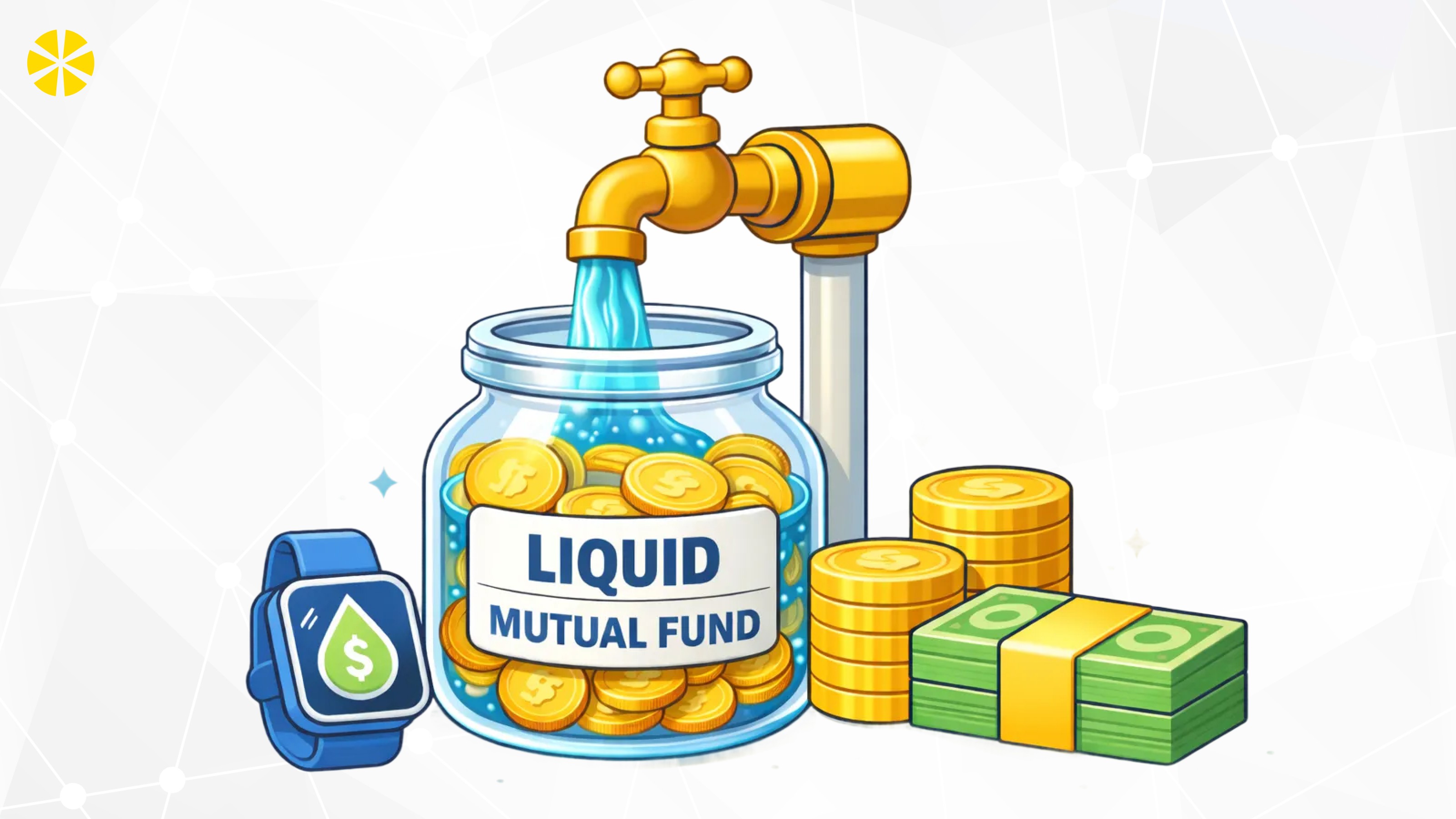
If there is one category that consistently beats bank savings, it’s liquid mutual funds.
Typical returns: 6–7%
Liquidity: Usually instant / same-day
Risk level: Low (but not zero)
Why they work:
Liquid funds invest in very short-term debt instruments. That means:
Less volatility than equity
Higher return potential than savings accounts
Quick access when you need money
For people parking emergency funds, travel money, or planned spends, this is arguably the best alternative today.
Downsides
Not risk-free like bank deposits
Returns vary slightly month-to-month
Who it’s for: Anyone who wants better returns than a savings account but still needs fast access.
2) Higher-Yield Spending Accounts (like Multipl)

This is where things get interesting in 2026.
A Higher-Yield Spending Account (HYSA) is not a bank account. It is a spending account powered by liquid mutual funds + brand discounts.
What you get:
Returns similar to liquid funds (historically ~6–7%)
Instant access
Zero lock-in
Discounts on everyday spending
Instead of keeping your “spending money” in a low-interest bank account, you let it sit in a liquid fund while you plan your spends.
Why this is better than a savings account:
Most people don’t spend money the day they earn it. There is always a waiting window - days or weeks. A HYSA makes that waiting time productive.
You:
Park money
Earn returns
Redeem when you need to spend
Often get brand discounts on top
This is why platforms like Multipl are emerging as one of the best savings account alternatives in 2026.
Best for: Everyday cash, shopping money, travel funds, short-term goals.
3) Fixed Deposits (FDs)
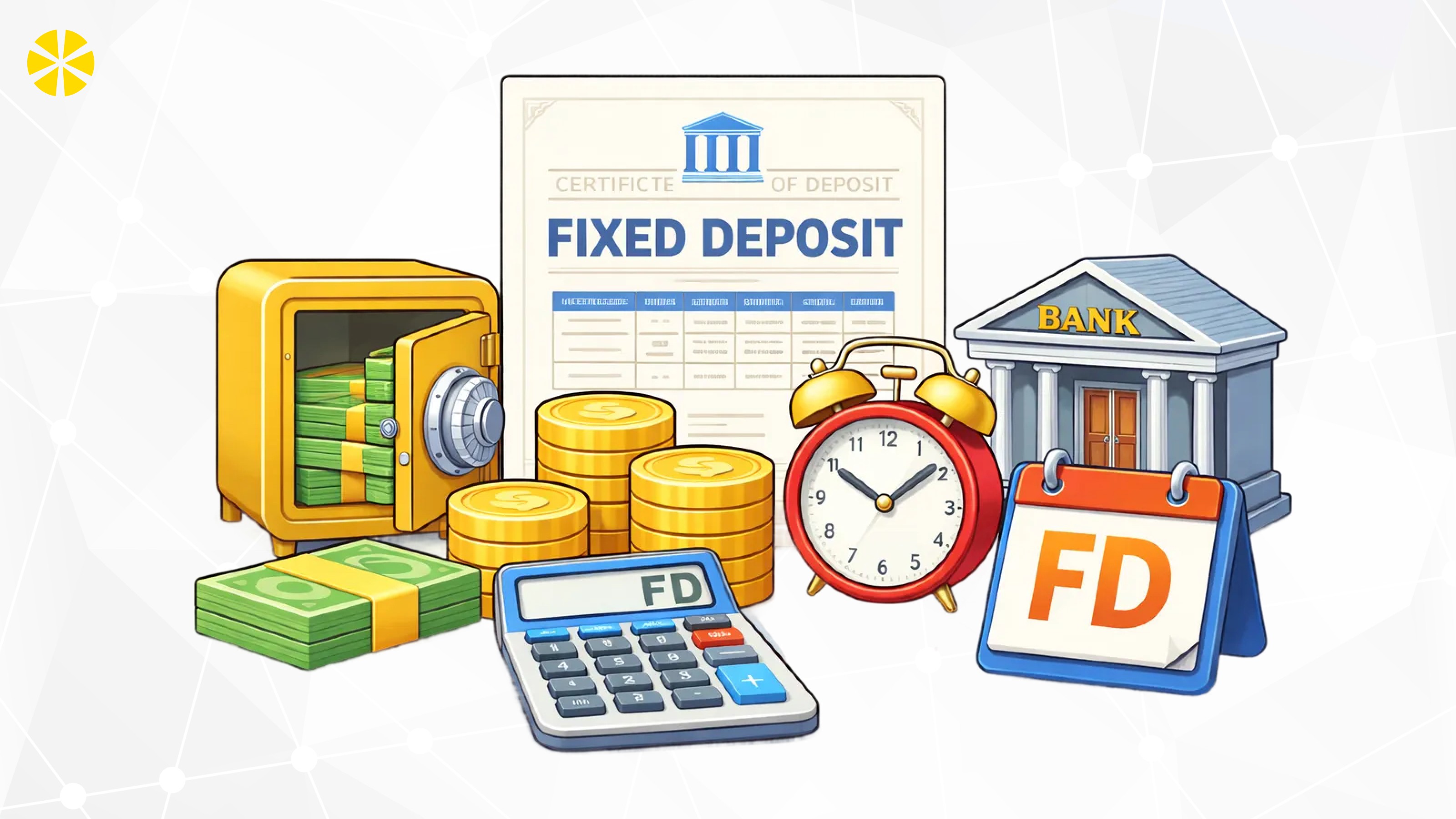
Returns: ~6–7% (varies by bank)
Liquidity: Low (penalties for early withdrawal)
FDs are great if:
You don’t need the money
You are okay locking it in
But they are terrible for spending money or emergency funds.
If you break an FD early, your effective return can drop sharply - sometimes worse than savings accounts.
Good for: Long-term parking
Bad for: Daily cash or planned spends
4) Sweep-in FDs (Savings + FD hybrid)
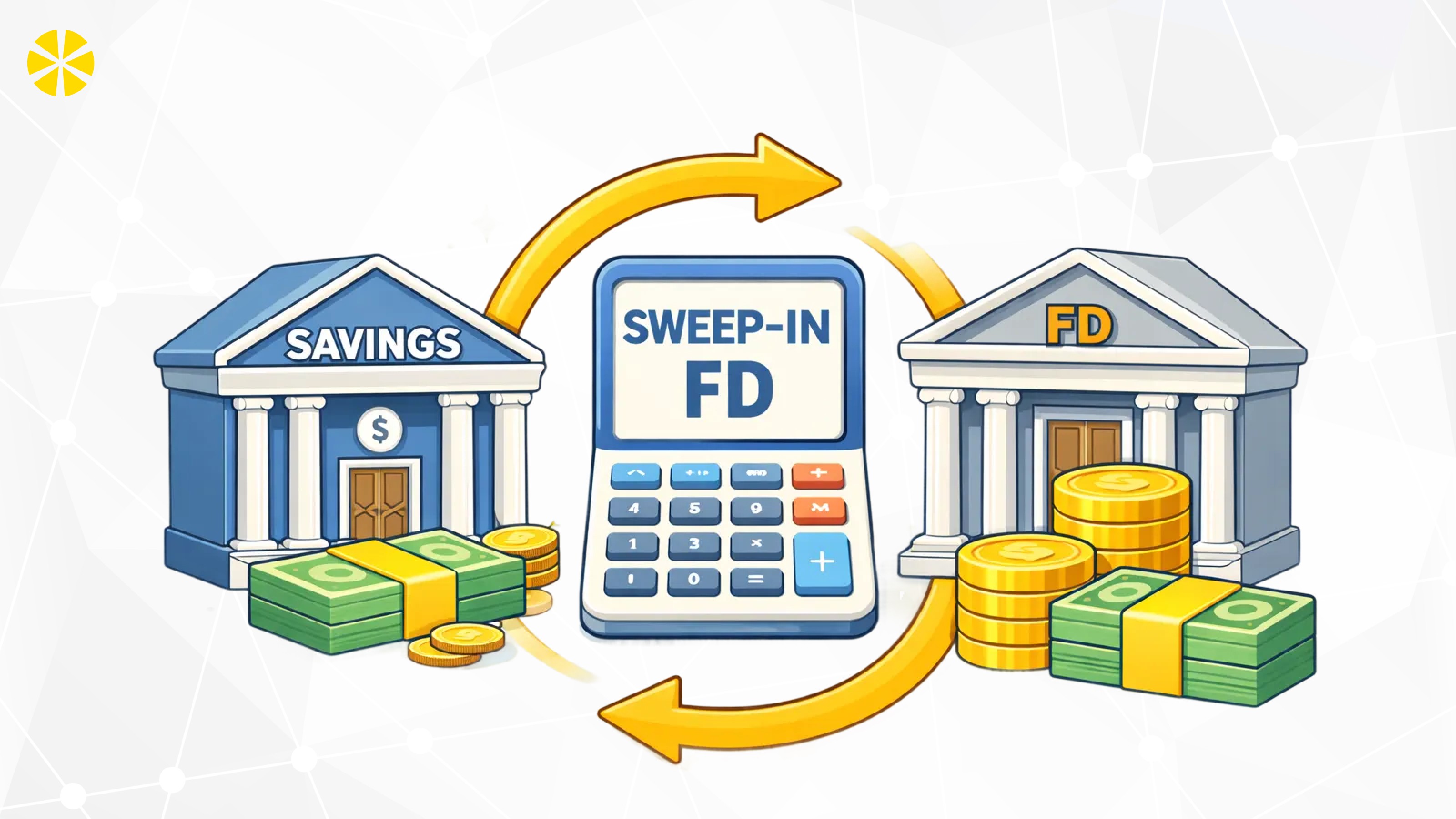
Some banks let your savings account balance automatically move into FDs above a threshold.
Pros
Better returns than savings account
Still linked to your bank
Cons
Not always instant liquidity
Complicated rules
Lower flexibility than liquid funds
This is better than a normal savings account - but still not ideal.
5) Arbitrage Funds

These are equity mutual funds designed to behave like debt funds with lower tax impact.
Returns: ~5–6%
Liquidity: Usually T+2 or T+3 days
Risk: Low, but not zero
Good for tax efficiency if you stay invested for a while. Not great if you need instant access.
6) Digital Super Savings Apps
Some fintech apps offer “high interest savings” features by investing in low-risk funds in the background.
Pros
User-friendly
Higher returns than banks
Cons
Often less transparent
Not always instant
Sometimes limited control over funds
Great for beginners, but not the most sophisticated option.
Savings account vs liquid funds vs higher-yield spending accounts
Feature | Savings Account | Liquid Mutual Fund | Higher-Yield Spending Account |
|---|---|---|---|
Typical return range | 3–4% | ~6–7% | ~6–7% + brand discounts |
Liquidity | Instant | Mostly instant / same-day | Instant |
Lock-in | None | None | None |
Risk level | Very low | Low | Low |
Best use case | Idle bank balance | Emergency fund, short-term parking | Spending money, short-term goals |
Inflation-beating potential | Usually low | Better potential | Better potential |
Extra rewards | None | None | Brand discounts |
Bottom line: If your money is meant to be spent soon, liquid funds or a higher-yield spending account can be smarter than a traditional savings account.
Tax on savings account alternatives: what to know
Returns should never be judged in isolation - post-tax return matters.
Savings accounts: Interest is taxable as per your income tax slab, though some taxpayers may get limited deductions under applicable rules.
Fixed deposits: Interest is taxable as per slab, and premature withdrawal can reduce the effective return further.
Liquid mutual funds: Tax treatment depends on prevailing mutual fund taxation rules, so investors should check current rules before investing.
Arbitrage funds: Often considered by investors looking for relatively efficient taxation compared with some debt options, especially for short-to-medium holding periods.
If you are comparing products only on headline returns, you may miss the real winner after tax.
Which option should YOU choose?
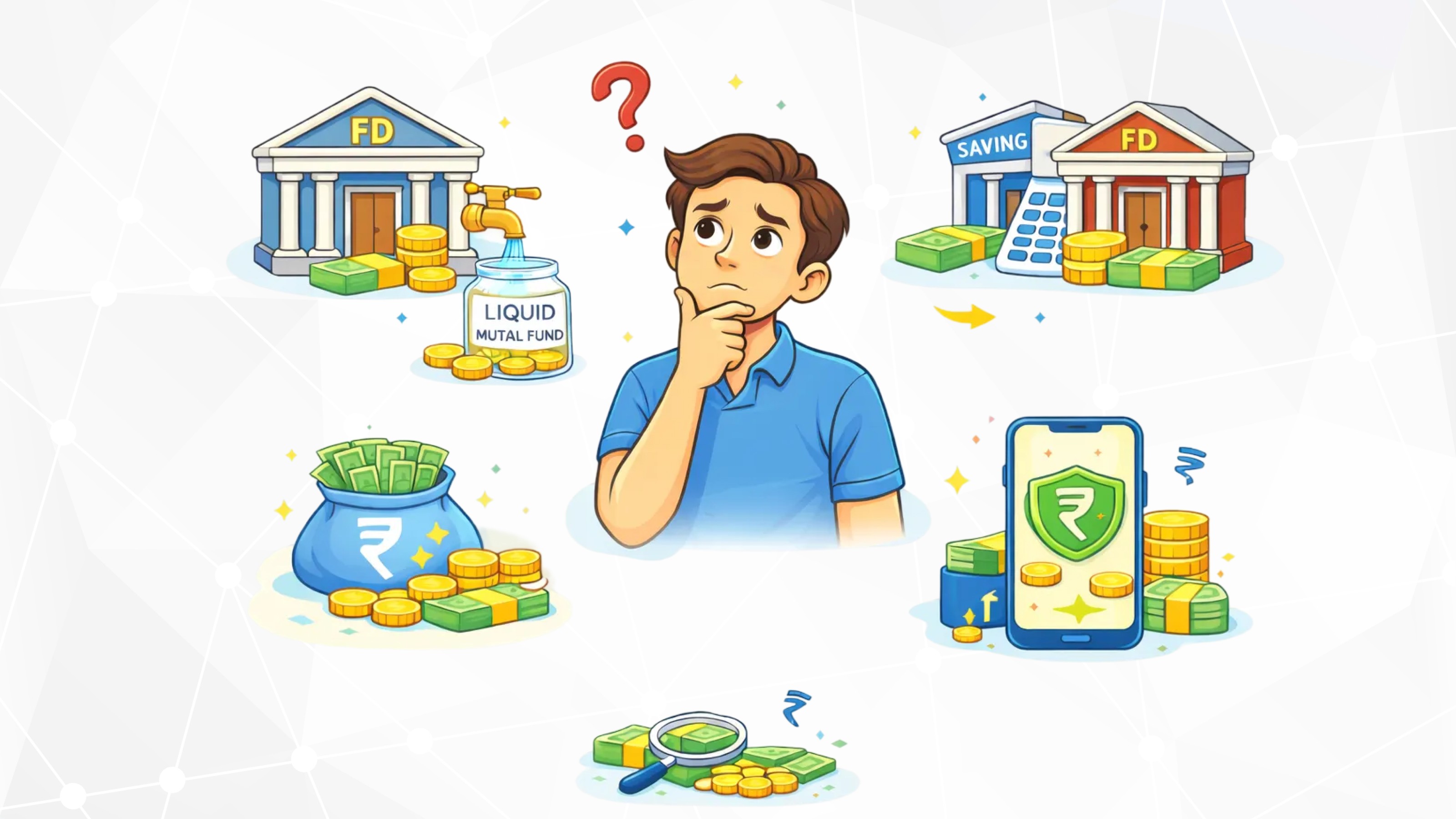
Here’s a simple decision rule:
If it’s your emergency fund: Use liquid mutual funds or a HYSA.
If it’s your spending money: Use a Higher-Yield Spending Account (like Multipl).
If it’s long-term savings: Use FDs or long-term investments instead.
FAQ: Best savings account alternatives in India
Is a liquid fund better than a savings account for emergency money?
For many people, yes. Liquid funds often offer higher return potential than a regular savings account while still keeping money relatively accessible. However, they are not risk-free, so the choice depends on your comfort with low market-linked risk.
What is the safest alternative to a savings account with better returns?
If your priority is capital safety with predictable returns, FDs and sweep-in FDs may feel safer than market-linked products. If you want a balance of liquidity and return potential, liquid mutual funds are often the most practical alternative.
Can I use a higher-yield spending account for daily expenses?
Yes. That is exactly where a higher-yield spending account can be useful. It lets you park money before you spend it, potentially earn liquid-fund-like returns during the waiting period, and sometimes unlock brand discounts as well.
TL;DR
Your bank savings account is convenient but outdated in 2026.
For short-term parking and spending money, liquid mutual funds or a Higher-Yield Spending Account may offer higher return potential, better cash efficiency, and easier short-term access than a traditional savings account - without adding much complexity.
👉 Stop settling for 3–4%. Let your spending money earn more - explore Multipl today.
Multipl is a AMFI registered Mutual Fund Distributor (ARN No. 319633). *Based on historical returns of Liquid Fund category.
Disclaimer: Mutual Fund investments are subject to market risks, read all scheme related documents carefully.